
Customer Retention
Your customers live on their phone. Your business is still a phone number they have to remember.
Whether you need an app for your customers to book services easily or an internal app to track your sales team via GPS, we build mobile experiences that solve real operational bottlenecks. An app puts your business directly in your customer's pocket.
Right now
- Staff attendance and field visits are reported on paper or WhatsApp, and can't be verified
- Repeat customers have no reason to come back — nothing lives on their phone
- SMS marketing costs money every single message, forever
- Orders and bookings arrive across three different channels and get lost between them
- Reps in low-network areas can't record anything until they're back on wifi
After we build it
- GPS-verified check-ins — you know where your field team actually was
- Push notifications instead of paid SMS: unlimited, free, and instant
- Your brand icon sits on the customer's home screen, not buried in their contacts
- Field staff keep working offline; everything syncs when signal returns
- One dashboard showing what every person and every order is doing
Who this is for
- Businesses with a field team whose location and daily work is currently unverifiable
- Anyone taking bookings or orders over phone calls and WhatsApp screenshots
- Retailers and service brands who want repeat customers, not one-time buyers
- Operations that need to keep working where the internet doesn't
What it looks like
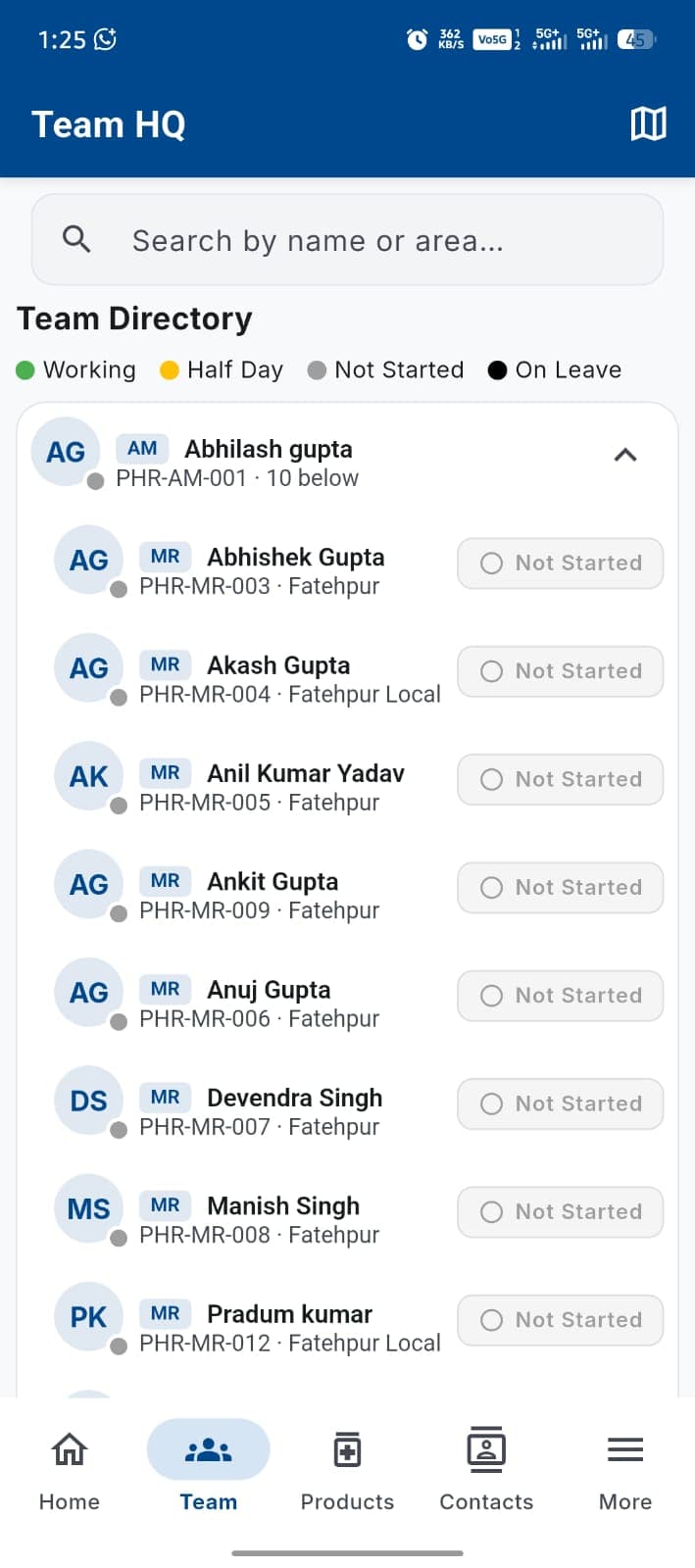
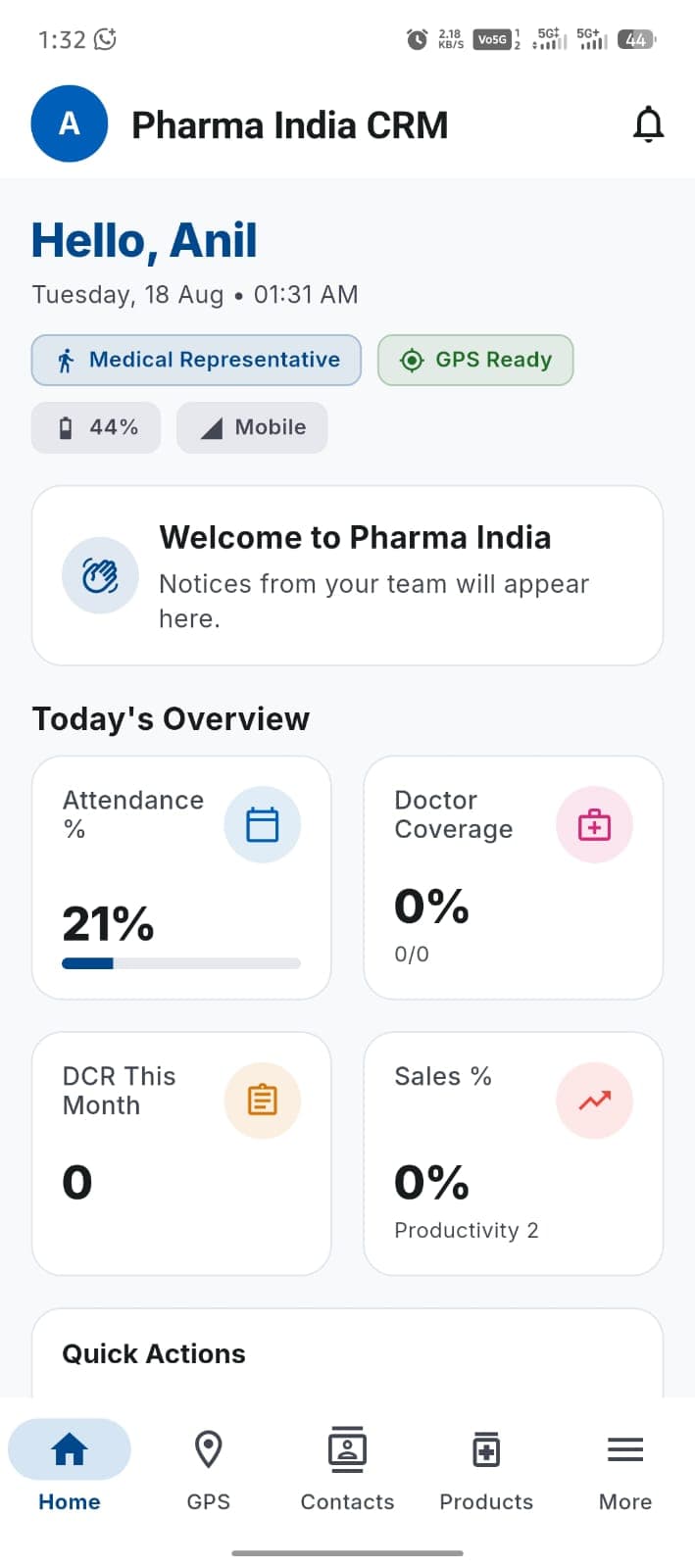
Inside a shipped app
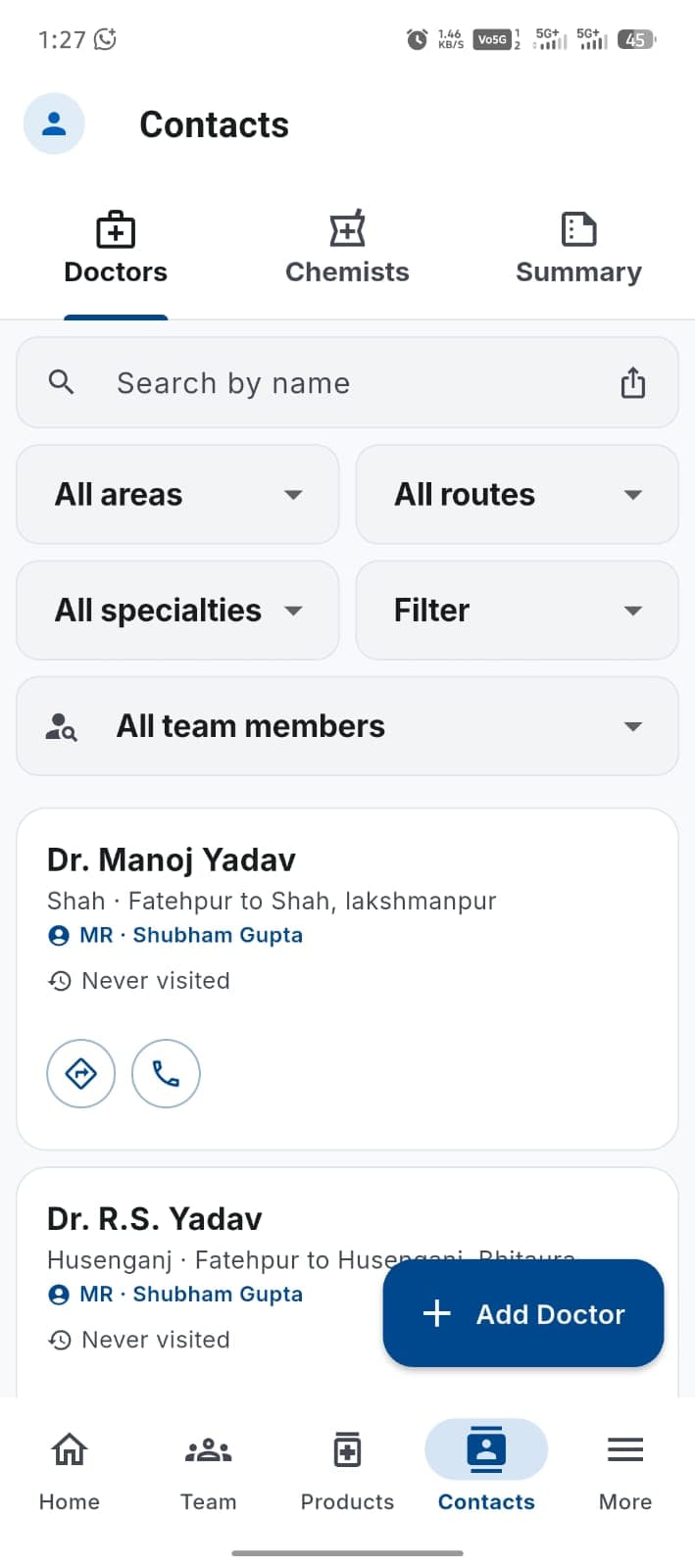
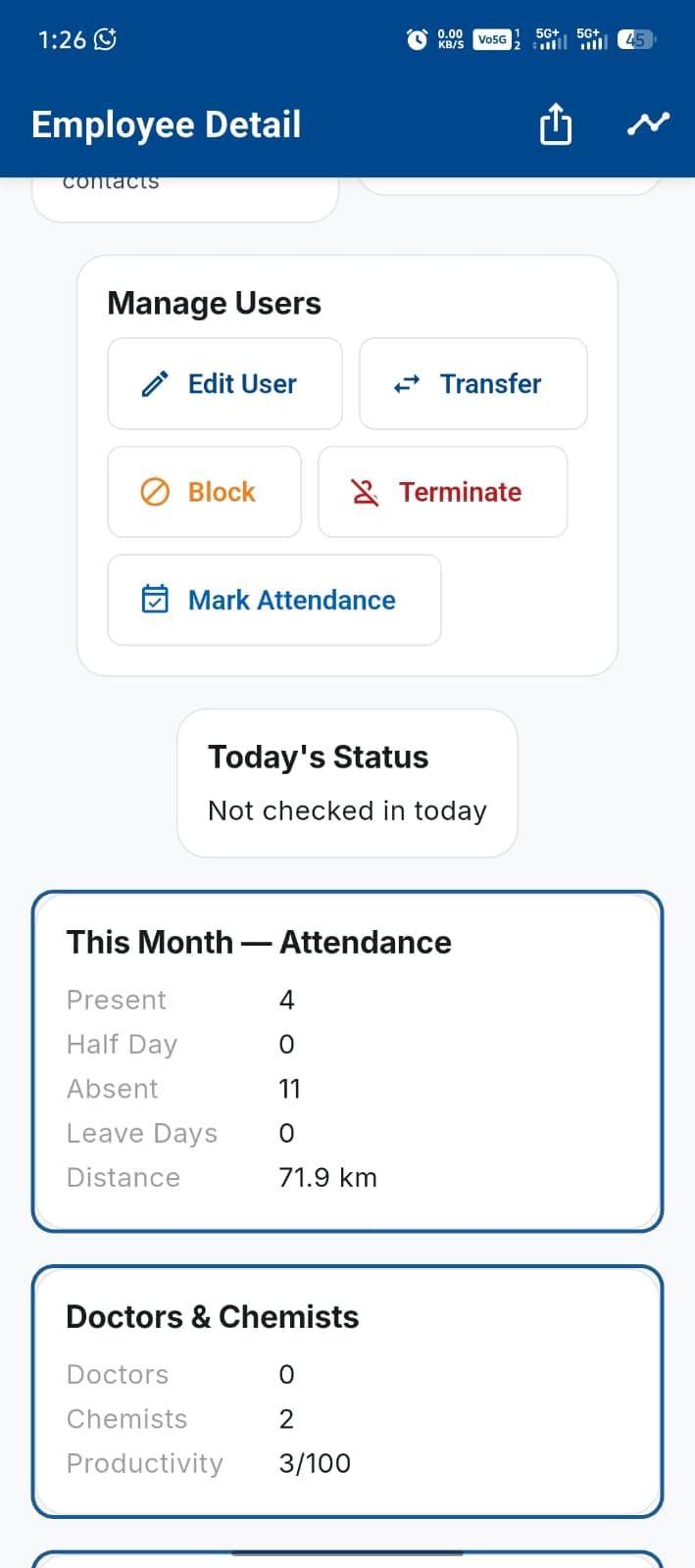
Real screens from the Pharma India field CRM — not concept art
What's included
- User-centric design that feels premium and intuitive
- Direct push notifications to bypass expensive SMS marketing
- Offline capabilities so your team can work without internet
- GPS tracking for delivery and field sales visibility
- Custom dashboards for managers, staff, and customers
- Automated listing on Google Play Store
Not included
- Apple App Store annual developer fee
- Ongoing marketing campaigns for app downloads
Pricing is scoped per project, not a fixed list. Final scope, timeline and any third-party/provider costs are always confirmed in a written proposal before work begins.
Under the Hood
A complete system, not just app screens
Mobile App
Android / iOS via Flutter or React Native
Authentication
Supabase Auth — roles per user
API / Backend
Business logic, validation, integrations
Database
PostgreSQL via Supabase
Notifications
Firebase Cloud Messaging
Investment
Custom Quote
Final price depends on scope, integrations, and design complexity — confirmed in a written proposal before work starts, not guessed from a generic package.
What affects the price
- How many platforms (Android only, or Android + iOS)
- Number of screens and how much custom UI they need
- Backend complexity — how much data, how many roles
- Integrations with existing systems or APIs
- Whether an admin panel ships alongside the app
- Push notifications and offline support
Proof
Related work
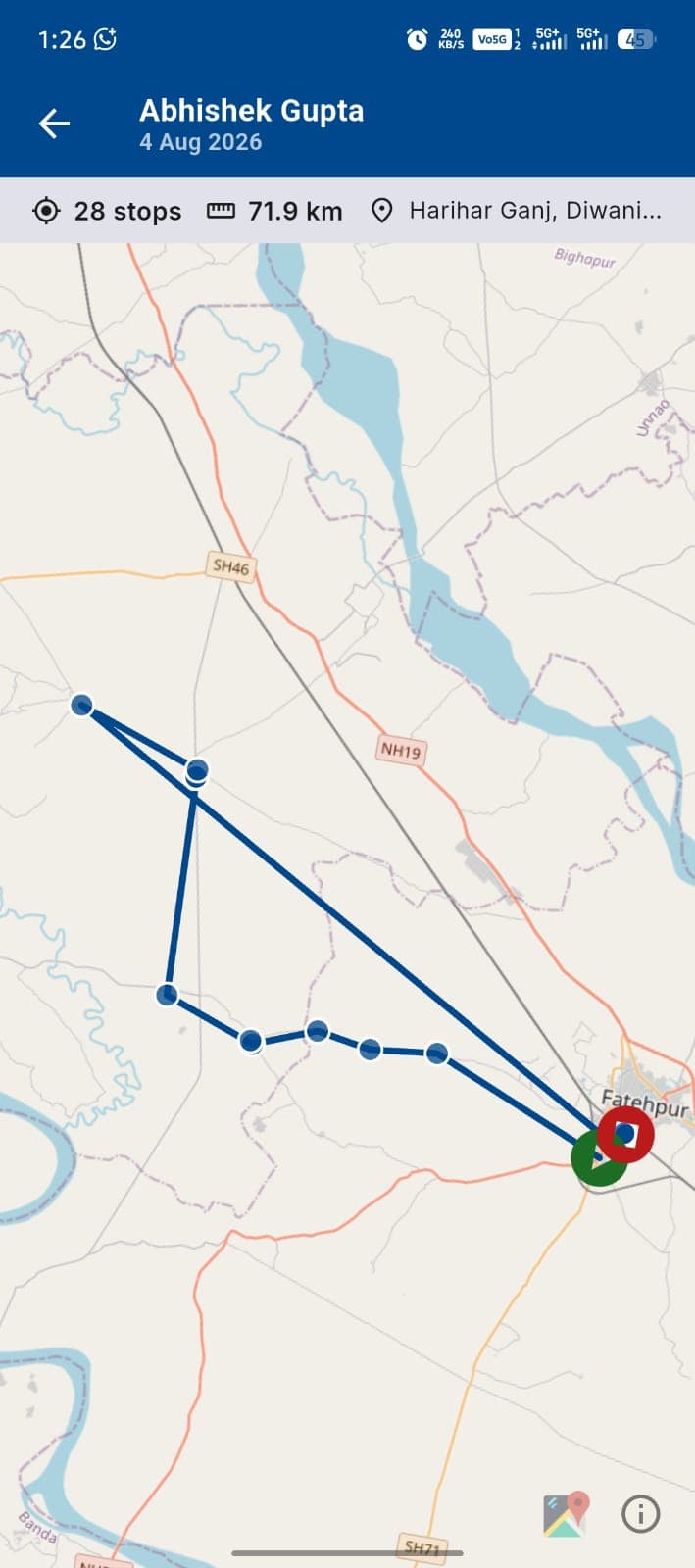
Pharma India CRM — Field Force App
GPS attendance, daily call reports and a six-level sales hierarchy — built for 100–200 field reps.
View case study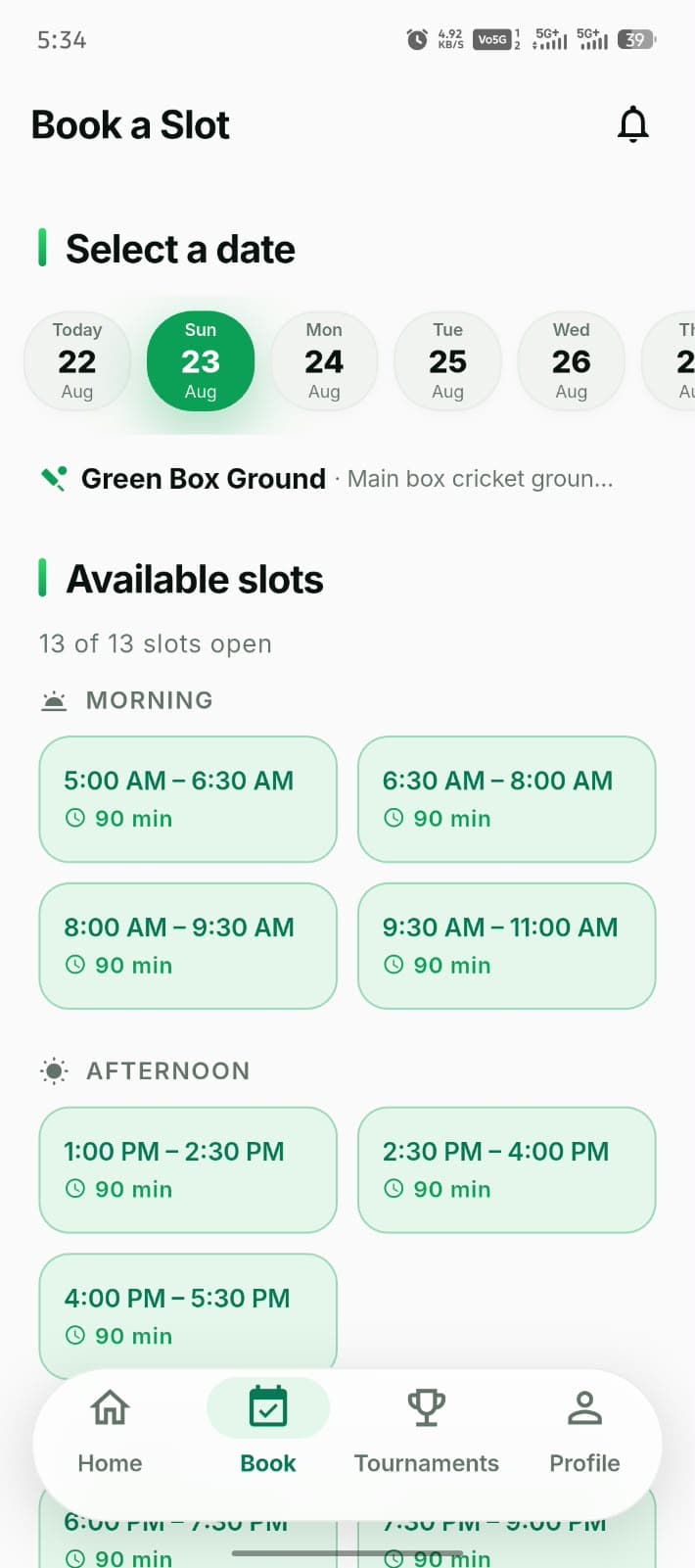
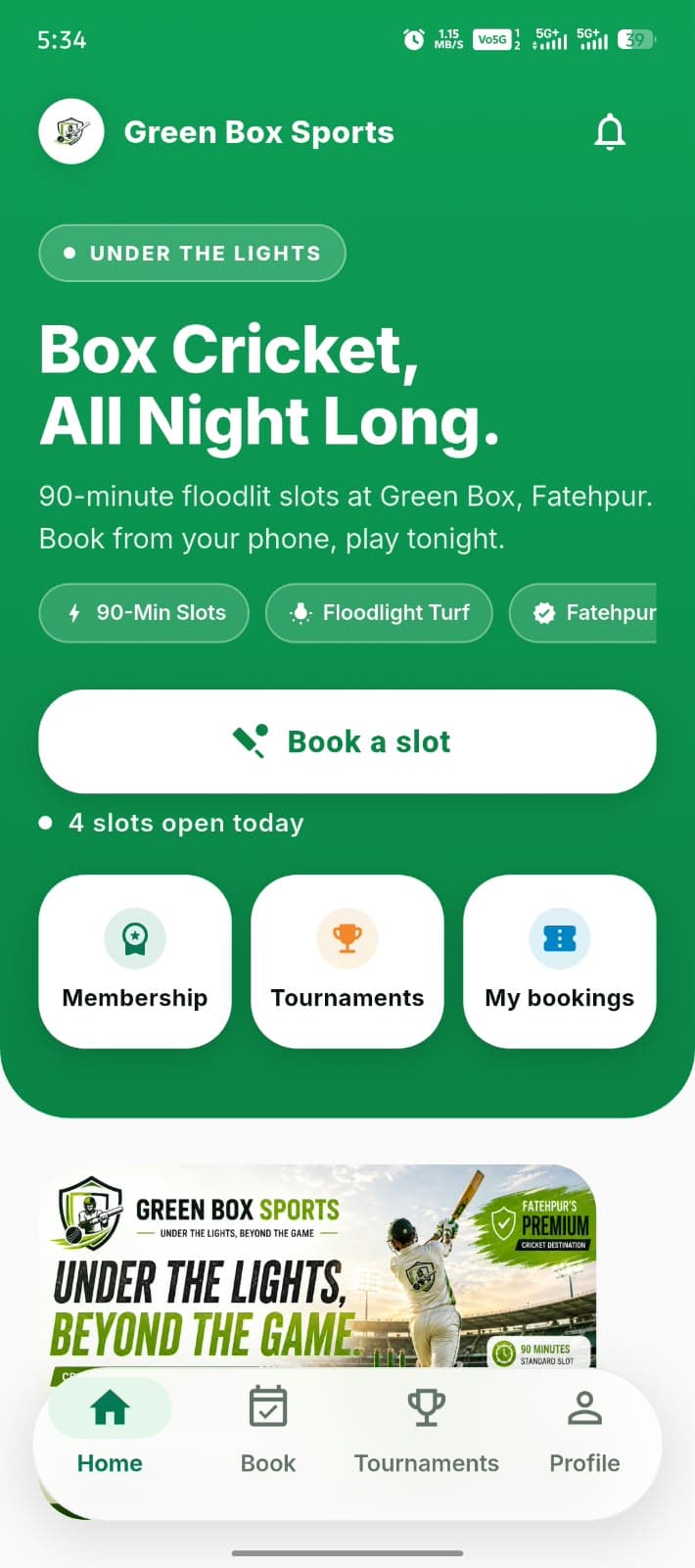
Green Box Sports — Player App
Book slots, carry a membership card and register for tournaments from the phone.
View case studyModules in build
- Student portal — fee status, certificates, ID card, notices
- Admin dashboard — admissions, batches, fees, certificates
- One codebase for Android and web
Screens will be added once the app is in clients' hands.
Planet Solutions — Student & Admin App
One Flutter app for students and administrators — fees, certificates, ID cards and batches.
View case studyHow it runs
- 1
Map the real workflow
We walk through how the job is actually done today — including the messy parts — before designing a single screen.
- 2
Screen designs first
You see and approve every core screen before development begins.
- 3
Build, then test on real devices
Tested on actual mid-range Android handsets, not just an emulator, because that's what your users have.
- 4
Store submission and handover
We prepare the listing and submit it. The developer account stays in your name, and you get the source code.
Typical timeline
4–8 weeks for a scoped Android build. iOS, extra screens and integrations extend this — agreed in writing before we start.
Built with
Questions people actually ask
Android only, or iOS too?
Android first is usually the right call for the Indian market and for field teams — it's most of the devices and a faster route to something usable. iOS is a separate build and a separate App Store process, quoted on top. We'll tell you honestly which one your users actually have.
Who owns the Play Store listing?
You do. The developer account is created in your business name, and you keep the credentials. We publish on your behalf — we never hold the listing hostage.
Why does an app cost more than a website?
A website is one build that runs everywhere. An app is a build per platform, plus store review, plus device testing across screen sizes and OS versions, and almost always a backend and admin panel to feed it. It's genuinely more engineering, not a bigger margin.
Do I need an admin panel as well?
Nearly always yes — an app without one means calling a developer every time you change a price or add a product. It's usually built alongside the app rather than bolted on later.
What about updates after launch?
30 days of post-launch bug fixing is included. Beyond that, OS updates and store policy changes are ongoing realities for any app — available as a maintenance retainer, never forced.
Do you build the backend too, or just the app screens?
Both, almost always — an app without a backend has nowhere to store data or manage users. We build the API, database and admin panel alongside the app itself, not as an afterthought.
Can the app connect to a website or system I already have?
Usually yes. If your existing system has an API (or can get one), the app can read and write to it directly instead of duplicating data in a separate database. We confirm feasibility during scoping.
Can you add push notifications?
Yes — Firebase Cloud Messaging is part of the standard stack, so notifications for orders, reminders or field alerts are a normal part of the build, not a costly add-on.
How long does a mobile app actually take?
4–8 weeks for a scoped Android build is typical. iOS, extra screens, and integrations extend that — the exact number comes from the written scope, not a guess upfront.