
Operational Efficiency
Your business runs on six spreadsheets, three WhatsApp groups, and one person who remembers how it all fits together.
Fragmented systems kill profitability. We map out your unique business processes and build a single, secure cloud dashboard. Manage your inventory, auto-generate invoices, and track employee performance all from one screen.
12
Open Tasks
3
Pending Approval
₹—
This Month
Interface preview — illustrates the shape of a typical build, not a specific client screen
Right now
- Two people edit the same sheet and quietly overwrite each other's work
- Invoices are made by hand, so numbers get skipped, duplicated or mis-typed
- Staff can see salary or margin data they were never supposed to see
- Month-end reporting takes two days of copying between files
- The whole system only works because one employee knows the workarounds
After we build it
- One source of truth — no more “which version of the file is correct?”
- Invoices, receipts and reports generate themselves from data already entered
- Each role sees exactly what it should: staff see their work, you see everything
- Month-end numbers are a dashboard, not a two-day exercise
- The process survives an employee leaving
Who this is for
- Businesses where the same data gets typed into two or three different places
- Owners who can't answer “how much is outstanding right now?” without opening files
- Teams that outgrew Excel but were quoted a fortune for enterprise software
- Anyone whose process is too specific for an off-the-shelf CRM
What's included
- Deep analysis of your current bottlenecks and manual processes
- Automated generation of PDFs, invoices, and weekly reports
- Strict access controls (Admin sees everything, staff sees what they need)
- Bank-level data encryption to protect your trade secrets
- Seamless integration with the tools you already use
- Full source code ownership and scalable cloud architecture
Not included
- Third-party enterprise licensing fees for specific APIs
- Massive server costs for infinite scale (billed by usage)
Pricing is scoped per project, not a fixed list. Final scope, timeline and any third-party/provider costs are always confirmed in a written proposal before work begins.
Under the Hood
One connected system
Users
Admin, manager, staff, client — same system
Web Application
Responsive dashboard, any device
API / Server Actions
Business logic and validation
Database
PostgreSQL with Row-Level Security
Integrations
Notifications, third-party services
Access Control
Everyone sees exactly what they should
Admin
Everything — full configuration and financial data
Manager
Their team's work, approvals, and reports
Staff
Only the tasks and records assigned to them
Client
Their own project — nothing belonging to anyone else
Not Just Screens
A process built into the software
Request Created
Logged the moment it comes in
Assigned
Routed to the right person or team
Reviewed
Checked against the rules that matter
Approved
Signed off, not just marked done
Stakeholder Updated
Automatically, no manual chase-up
Investment
Custom Quote
Final price depends on scope, integrations, and design complexity — confirmed in a written proposal before work starts, not guessed from a generic package.
What affects the price
- Number of modules (billing, inventory, reporting, etc.)
- How many user roles and how different their permissions are
- Workflow complexity — approvals, automated steps, notifications
- Integrations with systems you already use
- Whether a separate client-facing portal is included
- Existing data that needs to be migrated in
Proof
Related work
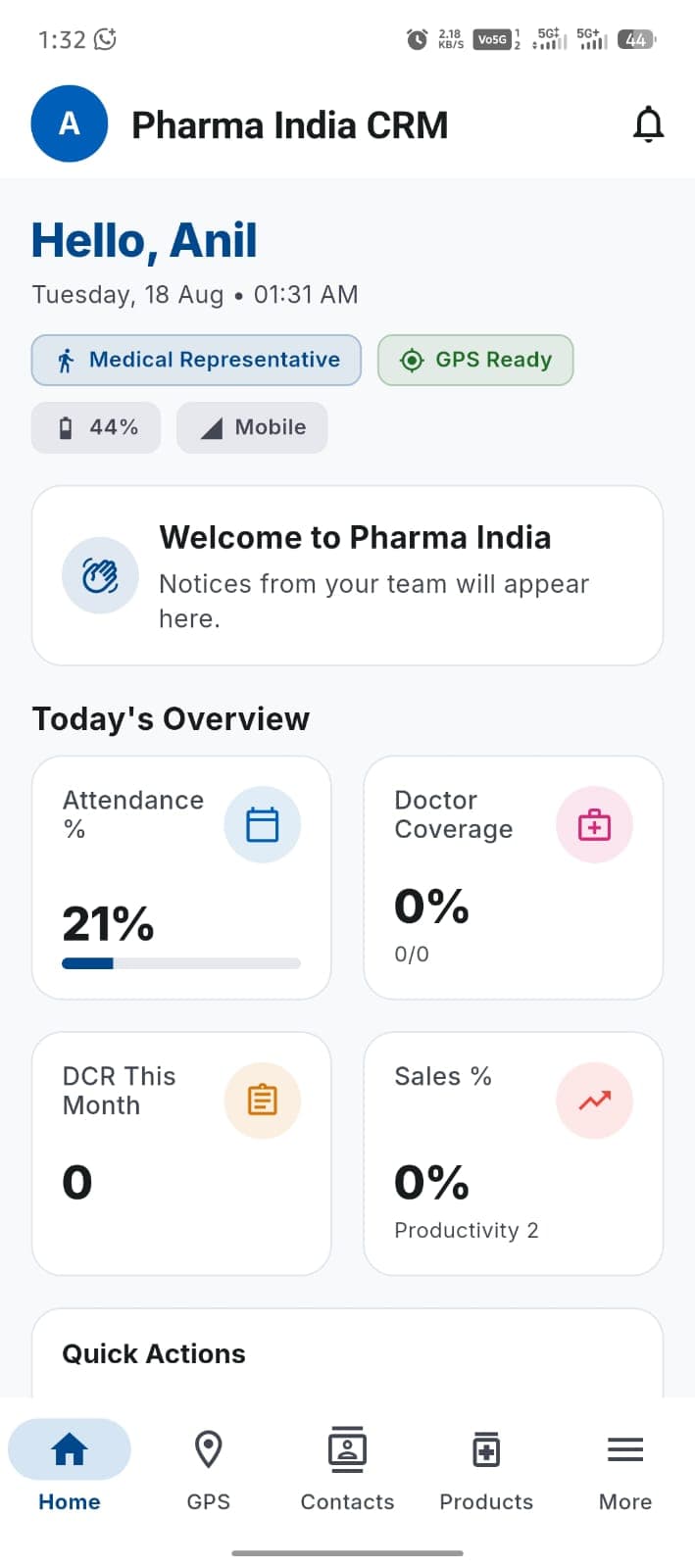
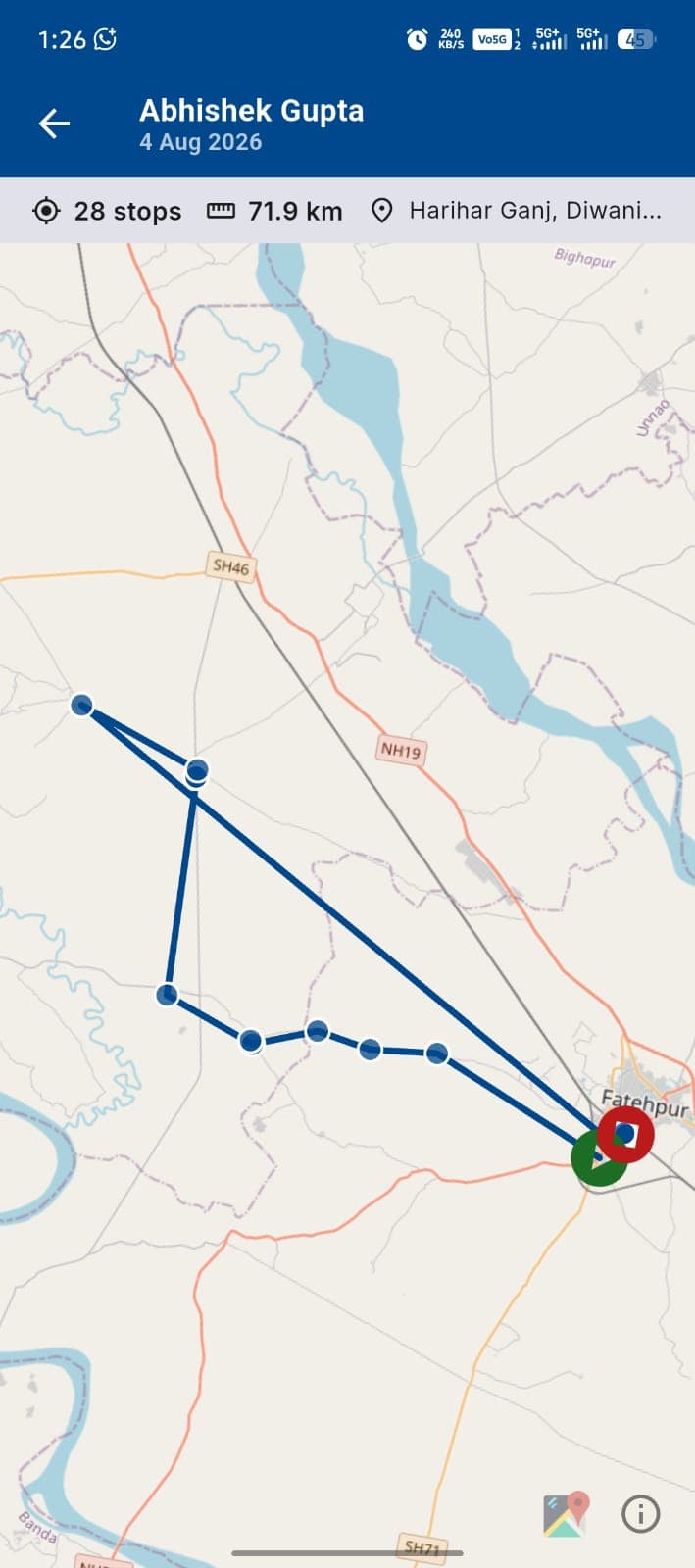
Pharma India CRM — Field Force App
GPS attendance, daily call reports and a six-level sales hierarchy — built for 100–200 field reps.
View case studyModules in build
- Student portal — fee status, certificates, ID card, notices
- Admin dashboard — admissions, batches, fees, certificates
- One codebase for Android and web
Screens will be added once the app is in clients' hands.
Planet Solutions — Student & Admin App
One Flutter app for students and administrators — fees, certificates, ID cards and batches.
View case study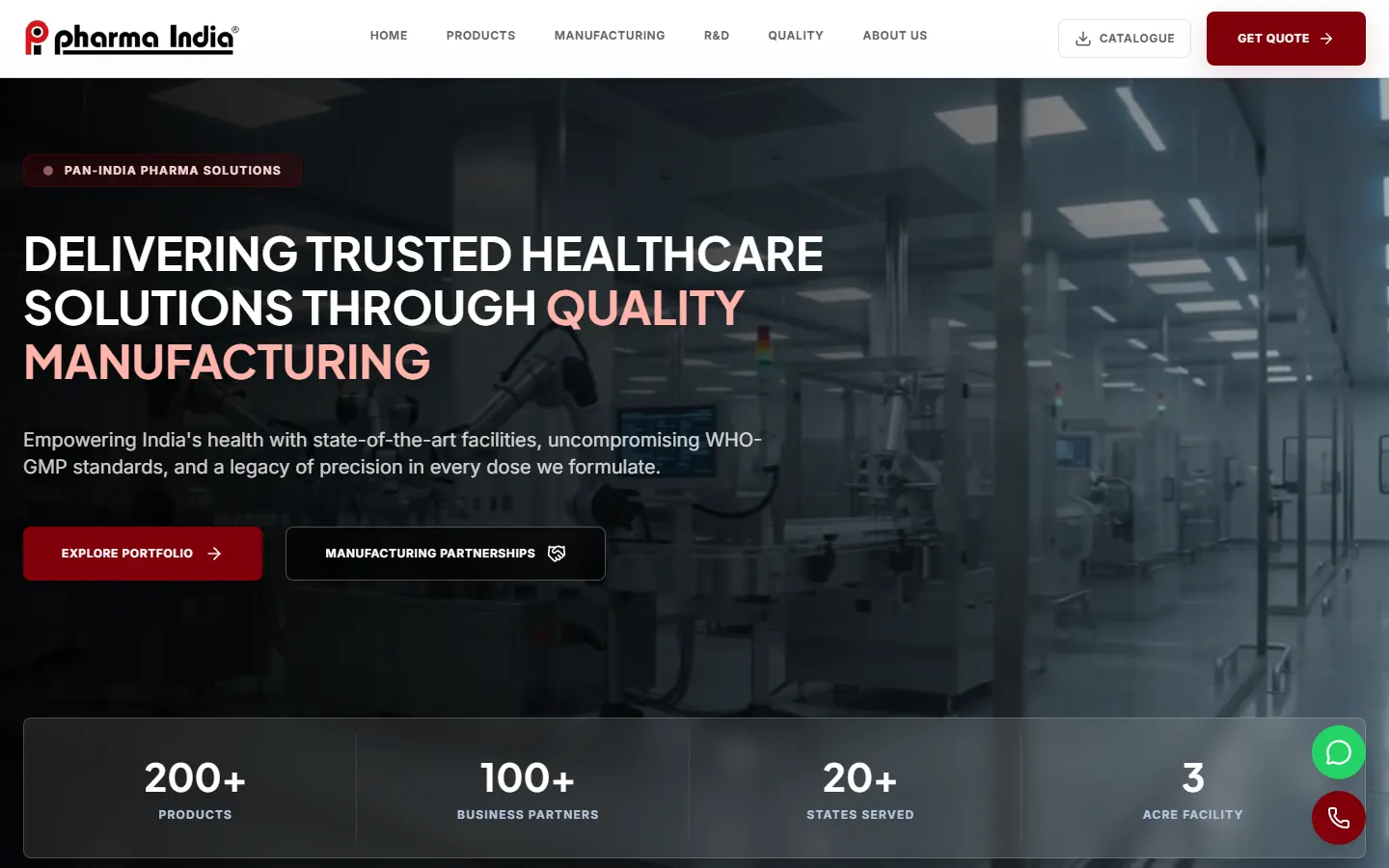
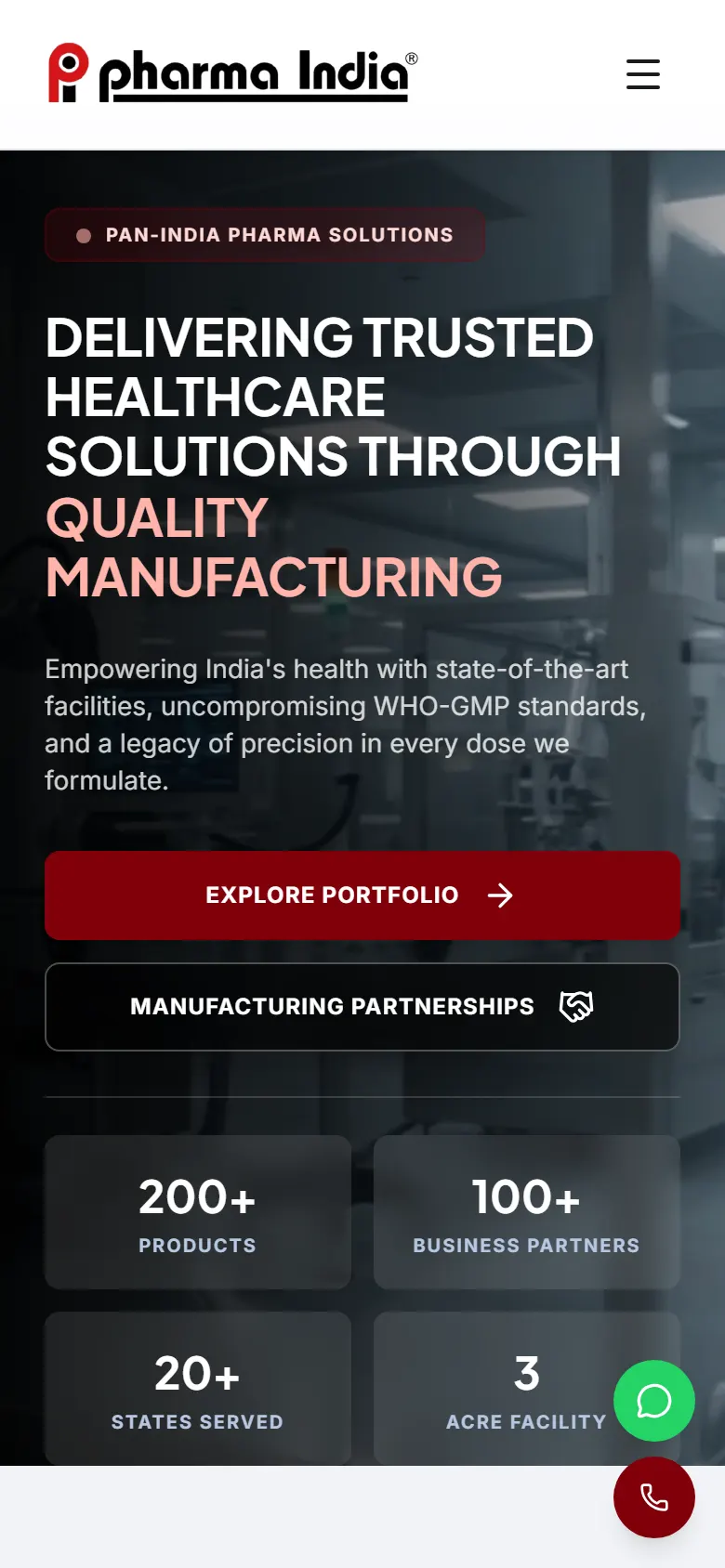
Pharma India
A full-stack company website with a searchable 200+ product catalogue and an owner-run admin panel.
View case studyHow it runs
- 1
Process audit
We sit with how the work is done now — every form, sheet and workaround — and write it down before proposing anything.
- 2
Data model and roles
What gets stored, and precisely who can see and change each part. Access rules are designed, not added later.
- 3
Build in visible stages
You get a working link as modules land, so you're steering it rather than waiting for a reveal.
- 4
Migrate, train, hand over
Existing data brought across, your team trained on the real system, then full source and database access transferred.
Typical timeline
4–10 weeks depending on how many modules and roles are involved. Scoped precisely after the process audit.
Built with
Questions people actually ask
How is this different from buying a ready-made CRM?
A ready-made CRM makes you change how you work to fit it, and you pay per user forever. Custom means the software matches your actual process, and you own it outright. If a standard tool genuinely fits your business, we'll say so rather than sell you a build you don't need.
Can we move our existing data in?
Yes — Excel, CSV, Tally exports or screenshots of your current system. You're responsible for the accuracy of what you hand over; we handle getting it in cleanly.
How secure is our business data?
Access control is enforced at the database level, not just hidden in the interface — so a staff account cannot reach another role's data even by manipulating the URL. Everything is encrypted in transit and at rest, with automated backups.
What if we need changes six months later?
You own the source code, so any competent developer can extend it — you're not locked to us. Most clients keep us on for changes because we know the system, but that's a choice, not a dependency.
Will it work on phones?
Yes. Owners check dashboards on their phone and field staff often work entirely on mobile, so it's designed responsive from the start rather than as a desktop tool squeezed down.
Can different people have different access levels?
Yes — that's usually the whole point. Role-based access is enforced at the database level (Row-Level Security), so an admin, a manager and a staff account genuinely see different things, not just a hidden menu item.
Can you build both an admin dashboard and a client-facing portal?
Yes — this exact combination (an internal admin panel plus a portal your own clients log into) is one of the more common builds we do, not a special request.
Can it integrate with a system we already use?
If that system has an API — or one can be added — yes. We connect to accounting tools, payment gateways, WhatsApp, and other business software rather than replacing everything at once.
Can the software work alongside a mobile app?
Yes. The same backend and database can serve a responsive web dashboard and a native mobile app at once — it's one system with two front ends, not two separate builds.
How much does custom software cost, and how long does it take?
There's no fixed number — cost and timeline both scale with how many modules, roles and integrations are involved. A process audit comes first specifically so the quote reflects your actual workflow, not a guess. Most builds land in the 4-10 week range once scoped.